How to Get Rid of Carpet Allergies
To reduce carpet allergies, vacuum regularly using a well-maintained vacuum with effective filtration, arrange a suitable deep clean and remove dust from the rest of the room. Carpets can collect dust, pollen, pet dander and dust-mite allergens within their fibres. If symptoms continue despite thorough cleaning, replacing an old or deep-pile carpet with a shorter-pile carpet or smooth flooring may make the room easier to maintain.
What Is a Carpet Allergy?
“Carpet allergy” is a useful phrase, but it can be slightly misleading. In many cases, the carpet itself is not the cause of the reaction. The problem is more likely to be the allergens that have settled within its fibres.
These may include:
- Household dust
- Dust-mite allergens
- Pollen
- Pet dander
- Mould spores
- Residue from cleaning products
These particles enter through open windows or are carried indoors on shoes, clothing and pets. Walking across the carpet, moving furniture or vacuuming can disturb them.
Some people may be sensitive to a material, dye, adhesive or treatment used during carpet manufacturing or installation. This type of irritation may be more noticeable shortly after new flooring is fitted. Good ventilation can help with temporary smells or irritation, but persistent symptoms should be discussed with a healthcare professional.
Common Symptoms
Allergic reactions vary depending on the person and the trigger. Possible symptoms include:
- Sneezing
- A runny or blocked nose
- Itchy or watery eyes
- Coughing
- An itchy throat
- Skin irritation
- Worsening eczema
- Wheezing or worsening asthma symptoms
Symptoms may become more noticeable in one room or improve after spending time away from home. However, this does not prove that the carpet is responsible. Bedding, upholstery, curtains, pets, pollen and damp can produce similar symptoms.
Seek medical advice if symptoms are persistent, severe or affecting your breathing. The NHS allergy guidance explains when to contact a healthcare professional and when an allergic reaction requires urgent help.
How to Get Rid of Carpet Allergies
It is difficult to remove every allergen from a home permanently. The aim is to reduce the particles held within the carpet and prevent them from building up again.
Vacuum thoroughly
Vacuum the carpet regularly and move slowly enough for the machine to pick up material from within the pile. Cover the room in different directions rather than making one quick pass.
Concentrate on:
- Carpet edges and corners
- Spaces underneath furniture
- Areas where pets sleep
- Doorways and entrances
- Sections close to open windows
- Busy walkways
A vacuum with suitable filtration can help keep smaller particles inside the machine. If it has a HEPA filter, clean or replace the filter according to the manufacturer’s instructions.
Where possible, someone without the allergy should do the vacuuming, as cleaning can temporarily disturb dust. Empty the vacuum outdoors or into a sealed bin afterwards.
Deep-clean the carpet when appropriate
Regular vacuuming removes loose material, but particles can settle deeper within the carpet pile. An occasional deep clean may help remove embedded dust, dander and pollen.
The correct cleaning method will depend on the carpet’s material and construction. Wool carpets may need different care from polypropylene, polyester or nylon flooring.
Follow the manufacturer’s guidance or consult a professional carpet cleaner if you are unsure. Avoid over-wetting the floor and allow the carpet to dry completely before replacing furniture. A damp carpet can encourage musty smells and mould growth, making the room less comfortable for allergy sufferers.
Clean the surrounding room
The carpet is only one place where allergens collect. Bedding, curtains, upholstered furniture, cushions and other fabrics can hold the same particles.
Use a damp cloth on hard surfaces rather than a dry duster, which may move dust back into the air. Wash removable fabrics according to their care instructions and remember to clean underneath beds, sofas and cabinets.
Dust mites are also commonly found in mattresses and bedding. Allergy UK recommends using several allergen-reduction measures together because one change alone may not noticeably improve symptoms. More information is available in its house dust mite allergy factsheet.
Limit what is brought indoors
Entrance mats and a no-outdoor-shoes rule can reduce the amount of dirt and pollen reaching the carpet. Clean pet bedding regularly and remove visible pet hair before it becomes worked into the pile.
During periods of high pollen, keeping windows closed at the worst times and changing outdoor clothing can help limit the amount brought into carpeted rooms.
Deal with damp and mould
Investigate leaks, condensation and persistent musty smells rather than covering them with fragrance or cleaning products. Damp conditions can encourage both mould and dust mites.
A carpet affected by extensive water damage or mould may need professional assessment. If the carpet or underlay cannot be cleaned and dried safely, replacement may be the more practical option.
Are Some Carpets Better for Allergy Sufferers?
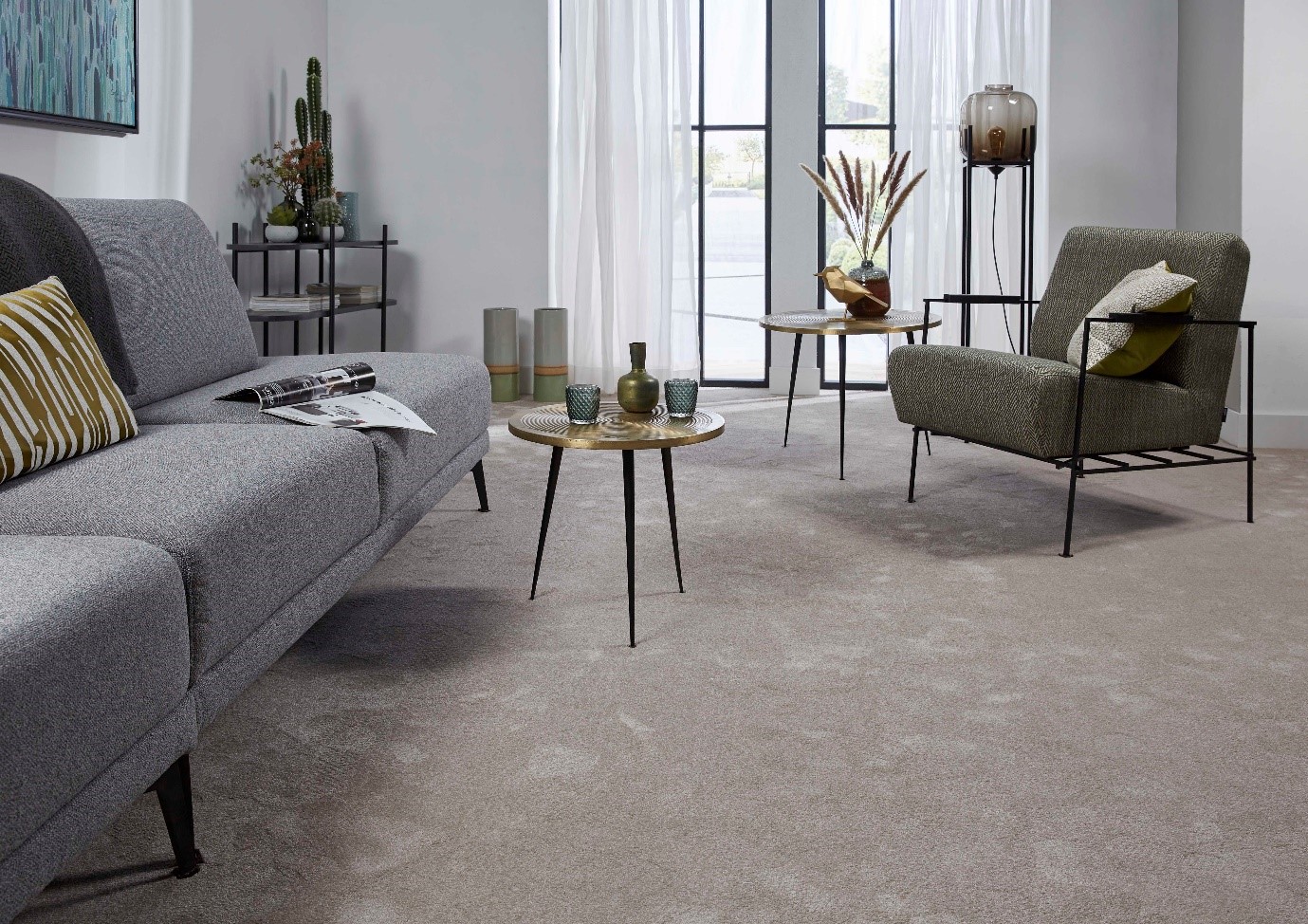
A shorter, denser pile is generally easier to vacuum than a thick or shaggy carpet. Long fibres provide more space for dust, pet hair and other particles to settle.
Carpet condition also makes a difference. An old carpet with worn areas, damaged backing or heavily soiled underlay can be difficult to clean thoroughly.
If you want to keep the comfort of carpet, consider:
- A low or short pile
- A material that is straightforward to maintain
- The recommended cleaning method
- How quickly it can dry after cleaning
- An underlay suitable for the room
- Whether pets or heavy foot traffic will increase the cleaning required
No carpet can be guaranteed to prevent allergic reactions. The best choice will depend on the person’s trigger and how the room is used.
Should You Replace Your Carpet?
You do not necessarily need to remove a carpet at the first sign of allergy symptoms. If it is in good condition, improving the cleaning routine may be enough to reduce the allergens held within it.
Replacement may be worth considering if:
- Symptoms continue despite regular, thorough cleaning
- The carpet is old or badly worn
- Damp or mould has affected the carpet or underlay
- A deep pile holds large amounts of pet hair and dust
- A healthcare professional recommends reducing carpeted surfaces
- The room belongs to someone with a diagnosed respiratory condition or dust-mite allergy
Before fitting new flooring, clean the subfloor, skirting boards and surrounding surfaces. Covering an existing layer of dust with new flooring will not address the wider problem.
From a flooring point of view, maintenance should be considered before appearance alone. A carpet may look suitable in the showroom, but its pile height, material and cleaning requirements determine how practical it will be in a busy home.
Alternative Flooring Options
Smooth flooring gives dust and pet hair fewer places to settle and is generally easier to vacuum or damp-clean.
| Flooring type | Why it may be suitable |
| Luxury vinyl tile | Durable, smooth and straightforward to maintain |
| Sheet vinyl | Easy to clean and has fewer joins where dust can collect |
| Laminate | Provides a firm surface that can be vacuumed and wiped |
| Engineered wood | Offers a smooth finish with the appearance of natural wood |
Every material has different requirements for moisture, subfloor preparation and maintenance. The best option will depend on the room, the household and the type of allergy involved.
Frequently Asked Questions
Can carpet cause allergies?
Carpet can hold dust, pollen, pet dander and dust-mite allergens that may trigger symptoms. Some people may also be sensitive to materials or treatments used in the carpet, although trapped allergens are a common cause of reactions associated with carpeted rooms.
Does vacuuming help with carpet allergies?
Regular, thorough vacuuming can reduce the amount of dust and other allergens held in the carpet. Use a well-maintained machine with effective filtration and include concealed areas underneath furniture.
Will professional carpet cleaning remove every allergen?
Professional cleaning can reduce allergens embedded within the carpet, but it cannot guarantee permanent or complete removal. New particles will continue to enter the room, so regular maintenance will still be needed.
What flooring is best for allergy sufferers?
Smooth surfaces such as vinyl, LVT, laminate and engineered wood are usually easier to clean than deep-pile carpet. A short-pile carpet may still be suitable for someone who wants a softer floor, provided it is maintained properly.
Looking for Easier-to-Maintain Flooring?
If your current carpet is difficult to clean or you are considering a smoother flooring surface, Deco Floors can help you compare the available options.
Explore our carpet, luxury vinyl tile, vinyl and engineered wood flooring ranges, visit our showroom or contact Deco Floors for practical advice on choosing flooring for your home.